
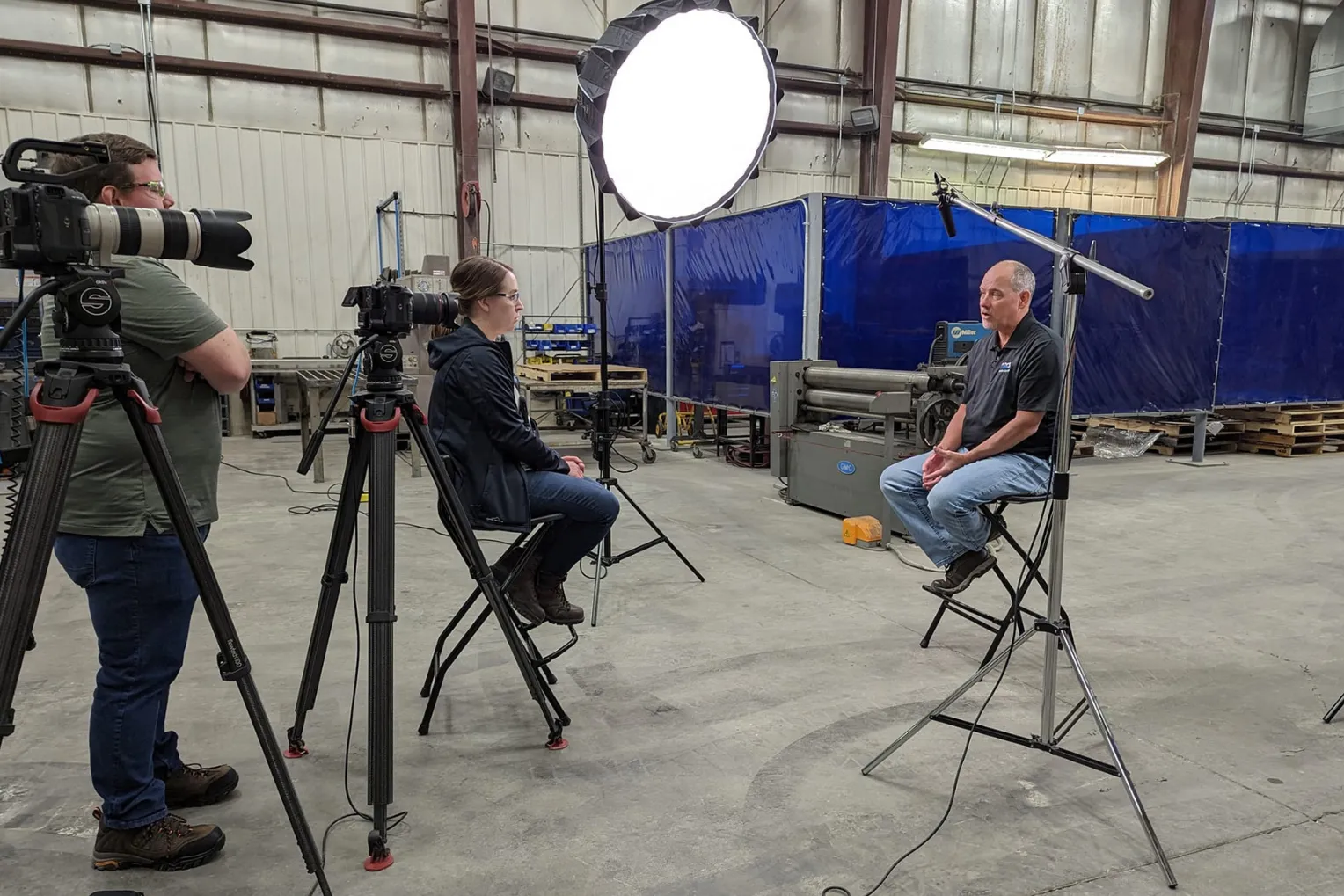
The Impact of Manufacturing Case Study Videos on B2B Marketing Success
In the competitive world of business-to-business marketing, manufacturers face the ongoing challenge of clearly communicating their value proposition, building trust, and differentiating themselves from competitors. Traditional marketing tools such as brochures, technical datasheets, and written testimonials are no longer sufficient to capture attention or influence purchasing decisions. As buyers become more digitally engaged and information-driven, visual content has emerged as one of the most powerful communication methods.
Manufacturing case study videos have become an essential component of modern B2B marketing strategies. By presenting real-world success stories, these videos offer proof of performance, technical competence, and reliability. They provide prospects with authentic insights into how manufacturing solutions deliver measurable business results. This article explores in detail how manufacturing case study videos drive B2B marketing success across awareness, engagement, lead generation, and long-term relationship building.
Strengthening Brand Credibility and Trust
Trust is a cornerstone of B2B purchasing decisions, particularly in manufacturing where long-term contracts, high-value investments, and strict quality standards are involved. Manufacturing case study videos play a critical role in establishing credibility by showcasing real projects, real clients, and real outcomes.
When potential customers see similar organizations benefiting from a manufacturer’s solutions, skepticism is reduced. Visual proof of operational excellence, quality control procedures, and client satisfaction reinforces reliability. Client testimonials presented through video add emotional authenticity and create a strong sense of trust that written endorsements cannot fully replicate.
By consistently sharing credible case study content, manufacturers establish themselves as dependable partners capable of delivering on complex commitments.
Improving Engagement and Information Retention
In the digital era, attention spans are limited. Manufacturing case study videos capture interest more effectively than text-based materials. Motion, sound, storytelling, and real-world visuals stimulate engagement and keep viewers focused.
Video content also improves information retention. Viewers are more likely to remember details presented visually than those conveyed through written reports. This enhanced recall helps reinforce brand recognition, product benefits, and technical capabilities, increasing the likelihood of future engagement.
Higher engagement and stronger retention translate into more qualified leads and improved marketing performance.
Supporting Complex Decision-Making Processes
B2B manufacturing purchases involve extensive research, evaluation, and approval stages. Decision-makers must assess technical feasibility, cost efficiency, compliance, scalability, and long-term reliability. Manufacturing case study videos provide structured, easy-to-understand insights that support this evaluation process. Using manufacturing case study videos, manufacturers can show real results and measurable client outcomes.
By visually demonstrating workflows, problem-solving strategies, and project outcomes, these videos clarify complex information. They enable technical teams, procurement managers, and executives to quickly grasp operational value and risk mitigation strategies.
This clarity reduces uncertainty, accelerates decision-making, and shortens sales cycles.
Enhancing Lead Generation and Conversion Rates
Manufacturing case study videos significantly improve lead generation by providing valuable, educational content that attracts potential buyers. When integrated into websites, landing pages, email campaigns, and social platforms, these videos encourage longer engagement and higher inquiry rates.
Case study videos also improve conversion by addressing buyer concerns and objections directly. By showcasing proven results, performance metrics, and client satisfaction, they reinforce confidence at critical stages of the buyer journey.
This combination of attraction and reassurance leads to stronger lead quality and increased conversion rates.
Strengthening Sales Enablement Strategies
Sales teams rely on persuasive communication tools to effectively engage prospects. Manufacturing case study videos serve as powerful sales enablement assets that illustrate real-world success stories in a compelling format.
Instead of lengthy presentations and technical explanations, sales representatives can present concise, visually rich narratives that highlight value and performance. This approach enhances communication clarity, improves meeting effectiveness, and builds credibility.
Case study videos also ensure consistency in messaging, helping sales teams deliver unified brand narratives across different markets and industries.
Supporting Long-Term Relationship Building
Beyond acquiring new clients, manufacturing case study videos contribute to relationship management and client retention. Featuring existing customers in success stories demonstrates appreciation and partnership commitment.
This recognition strengthens loyalty and fosters long-term collaboration. Clients who feel valued are more likely to provide referrals, participate in future projects, and act as brand advocates, further amplifying marketing impact.
Enhancing Digital Marketing and Online Visibility
Search engines and social platforms increasingly prioritize video content. Manufacturing case study videos improve website performance by increasing visitor dwell time, reducing bounce rates, and enhancing user experience.
Optimized video content also improves search engine rankings and supports content marketing strategies. By distributing case study videos across multiple digital channels, manufacturers increase brand visibility and reach wider audiences.
This expanded digital presence strengthens brand authority and drives sustained marketing performance.
Demonstrating Industry Expertise and Innovation
Manufacturing case study videos provide opportunities to showcase innovation, technical leadership, and continuous improvement. By highlighting advanced production techniques, engineering solutions, and project challenges, manufacturers position themselves as industry experts.
This authority attracts clients seeking strategic partners rather than transactional suppliers. Demonstrating innovation strengthens competitive differentiation and supports premium market positioning.
Providing Measurable Marketing Performance Metrics
Video analytics offer valuable insights into viewer behavior, engagement patterns, and content performance. Manufacturing case study videos generate actionable data such as viewing duration, interaction rates, and conversion tracking.
These metrics allow marketing teams to optimize campaigns, refine messaging, and improve content strategies. Data-driven decision-making enhances marketing efficiency and ensures continuous improvement.
Delivering Long-Term Return on Investment
Manufacturing case study videos represent long-term marketing assets. Once produced, they can be repurposed across multiple channels and formats, including websites, social media, exhibitions, training materials, and investor presentations.
This versatility extends content lifespan and maximizes return on investment. Over time, case study videos continue to generate leads, reinforce brand trust, and support business development efforts.
Conclusion
Manufacturing case study videos have a profound impact on B2B marketing success. By delivering authentic storytelling, visual proof, and measurable performance insights, they strengthen credibility, enhance engagement, and drive lead generation.
From supporting complex purchasing decisions and empowering sales teams to improving digital visibility and long-term brand positioning, these videos provide strategic advantages across every stage of the buyer journey. In an industry where trust, performance, and reliability define success, manufacturing case study videos are indispensable tools for sustainable B2B marketing growth.