
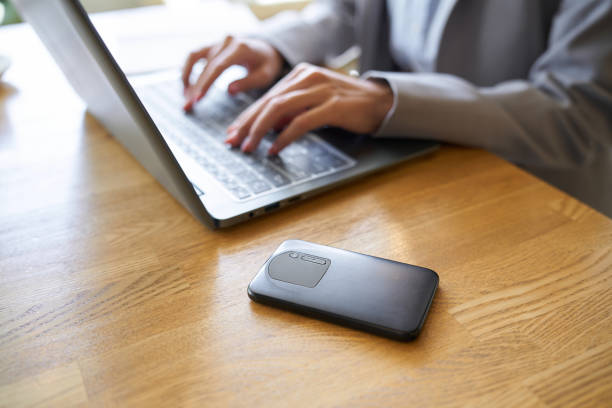
Mobile WiFi for International Travel: Staying Connected Across Borders Without Roaming Fees
International travel has become more frequent and more digitally dependent than ever before. Travelers rely on constant internet access for navigation, communication, work, bookings, translation, and entertainment. However, traditional mobile roaming services often create challenges due to high costs, unpredictable billing, and inconsistent performance across different countries.
Mobile WiFi devices for international travel offer a modern solution to these problems. They provide portable internet access that works across borders without relying on expensive roaming plans. These devices create a private wireless connection that can be shared across multiple devices, making them especially useful for tourists, business travelers, students, and digital nomads.
This article explores the key advantages of using mobile WiFi for international travel and explains why it has become an essential connectivity tool in today’s global environment.
Advantage 1: No More Expensive Roaming Fees
One of the biggest advantages of mobile WiFi for international travel is the elimination of roaming charges.
Traditional roaming services often include:
- High per day usage fees
- Expensive data rates per megabyte or gigabyte
- Unexpected billing after travel
Mobile WiFi replaces this with:
- Prepaid data plans
- Fixed cost packages
- Transparent usage control
This allows travelers to manage their budget more effectively and avoid financial surprises.
Advantage 2: Seamless Connectivity Across Multiple Countries
Mobile WiFi devices are designed for international use.
They allow users to:
- Move between countries without changing SIM cards
- Maintain continuous internet access
- Connect to available local networks automatically
This is especially useful for multi country trips where switching SIM cards repeatedly would be inconvenient. With mobile wifi for international travel, users can stay connected across countries without interruption.
Advantage 3: Portable and Easy to Carry
Mobile WiFi devices are built for travel convenience.
They are:
- Compact in size
- Lightweight
- Easy to store in bags or pockets
This makes them ideal for travelers who need internet access on the move without carrying bulky equipment.
Advantage 4: Multi Device Support
A single mobile WiFi device can connect multiple devices at the same time.
Supported devices include:
- Smartphones
- Laptops
- Tablets
- Smart devices
Benefits include:
- Shared internet access for families or groups
- Reduced need for multiple SIM cards
- Better coordination during travel
Advantage 5: Secure Internet Connection Compared to Public WiFi
Public WiFi networks in airports, hotels, and cafes are often insecure and vulnerable to cyber threats.
Mobile WiFi provides:
- Private password protected networks
- Encrypted data transmission
- Controlled access to connected devices
This improves security for:
- Online banking
- Work communication
- Personal data usage
Advantage 6: Better Control Over Data Usage
Mobile WiFi devices provide clear data management tools.
Users can:
- Track real time data consumption
- Monitor connected devices
- Set usage limits in some systems
This helps avoid running out of data unexpectedly during travel.
Advantage 7: Flexible Data Plans for Different Needs
Mobile WiFi services often offer flexible plans such as:
- Daily plans for short trips
- Weekly packages for vacations
- Monthly plans for long stays
- Regional or global data bundles
This flexibility ensures users only pay for what they actually need.
Advantage 8: Reliable Internet in Multiple Locations
Mobile WiFi devices connect to local mobile networks in different countries.
This provides:
- Wider coverage across regions
- Stronger signal availability in many locations
- More stable connectivity compared to public WiFi
This is especially useful in areas where traditional roaming may fail or be unstable.
Advantage 9: Ideal for Business and Remote Work
Business travelers and remote workers benefit significantly from mobile WiFi.
It supports:
- Video conferencing
- Cloud based tools
- Email communication
- File sharing and collaboration platforms
This ensures productivity even while traveling internationally.
Advantage 10: Easy Setup and User Friendly Operation
Mobile WiFi devices are designed to be simple to use.
Typical setup involves:
- Turning on the device
- Connecting via WiFi settings
- Entering a password if required
No technical installation or SIM swapping is needed, making it suitable for all users.
Advantage 11: Reduces Dependence on Local SIM Cards
Without mobile WiFi, travelers often need to buy SIM cards in each country.
This can involve:
- Language barriers
- Registration requirements
- Time consuming setup
Mobile WiFi eliminates this need by providing a single global solution.
Advantage 12: Strong Battery Performance for Daily Travel
Many mobile WiFi devices are built with long lasting batteries.
Benefits include:
- All day connectivity on a single charge
- Power saving features
- Reliable performance during long travel days
This ensures users stay connected even without frequent charging access.
Advantage 13: Better Travel Experience Overall
Mobile WiFi improves the overall travel experience by enabling:
- Easy navigation through maps
- Instant translation services
- Quick access to travel bookings
- Constant communication with friends and family
This reduces stress and improves convenience in unfamiliar locations.
Advantage 14: Scalable for Individual and Group Use
Mobile WiFi works for both solo travelers and groups.
For individuals:
- Provides personal secure internet access
For groups:
- Allows shared connectivity
- Reduces total internet costs
- Keeps everyone connected under one device
Advantage 15: Future Ready Connectivity Solution
Mobile WiFi technology continues to evolve with improvements such as:
- Wider 5G coverage globally
- Smarter network switching systems
- Improved cloud SIM technology
- More affordable international data plans
These advancements will make global travel connectivity even more efficient in the future.
Conclusion
Mobile WiFi for international travel is a powerful solution for staying connected across borders without relying on expensive roaming fees. It offers a combination of cost savings, security, flexibility, and convenience that traditional mobile data services often cannot match.
With benefits such as multi device support, global connectivity, secure browsing, and flexible data plans, mobile WiFi has become an essential tool for modern travelers. As international mobility continues to increase, this technology will play an even more important role in ensuring seamless internet access anywhere in the world.